Removing British-era place names is ridiculous – English ensures Indian unity
The India Fix: A newsletter on Indian politics from Scroll.
By Scroll.inCross-checked on TMR
Story confidence
Single source
40/100
Reported by a single source so far
The story
Welcome to The India Fix by Shoaib Daniyal, a newsletter on Indian politics. As always, if you’ve been sent this newsletter and like it, to get it in your inbox every week, sign up here (click on “follow”).
Have feedback, interesting links or think I am wrong? Write to me: theindiafix@scroll.in
India’s Constituent Assembly did not have many bitter fights, overwhelmingly dominated as it was by one party, the Congress. Even a proposal, by none other than the head of the drafting committee, BR Ambedkar, to retain a weak form of separate electorate for Dalits, was struck down with almost no debate.
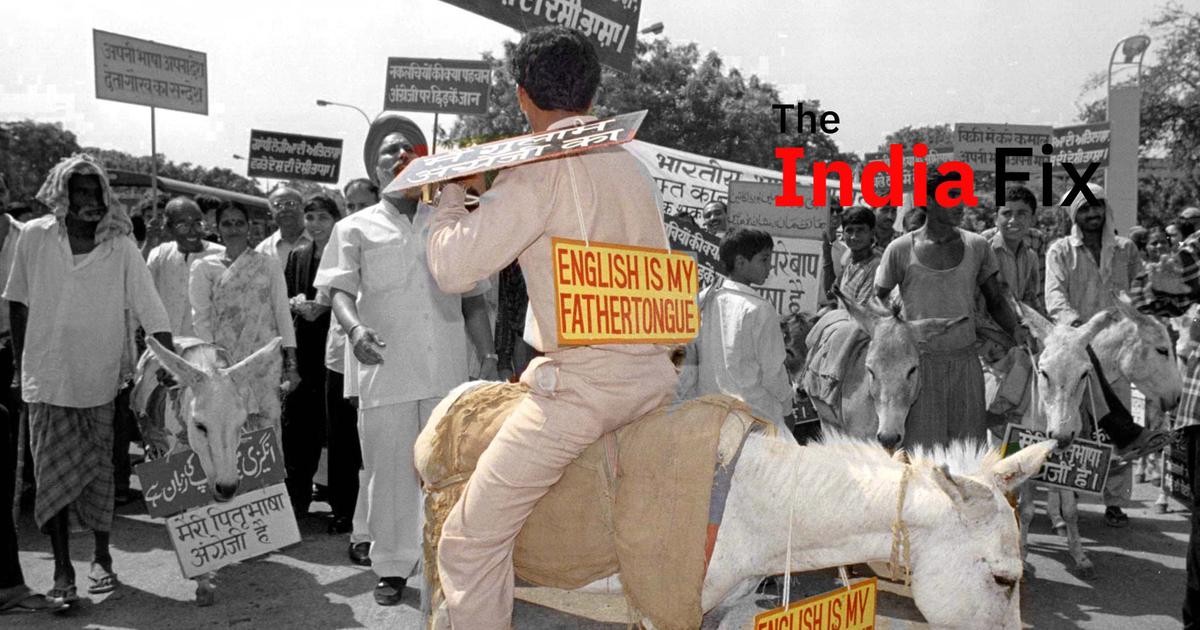
However, one proposal did see the members of the Assembly clash – and clash hard: that Hindi replace English as India’s official language. For three days the Constituent Assembly debated the idea, in the end accepting a compromise. Both Hindi and English would be official languages, though the latter had a sunset period of 15 years.
However, at the end of the sunset period, nothing much changed. Tamils erupted in protest and English, even though it was introduced by the British, still continues as India’s official language. Since Pakistan, in 1971, split partly over the status of Urdu, this was one of India’s wisest...
Only Scroll.in has reported this so far. New reports from every outlet are matched against it through the day.
BlindspotNo other outlet has reported this yet.
Coverage breakdown
01
Outlet
01
Report
01
Language
Coverage by language
Outlet reliability
National vs local desks
Full coverage
1 outletScroll.in · EN
Removing British-era place names is ridiculous – English ensures Indian unity
Reliability unrated