Food warning labels matter
By Hindustan TimesCross-checked on TMR
Story confidence
Single source
40/100
Reported by a single source so far
The story
The top court calling for an effective system for flagging health risks of packaged food will give consumers the power to make better choices
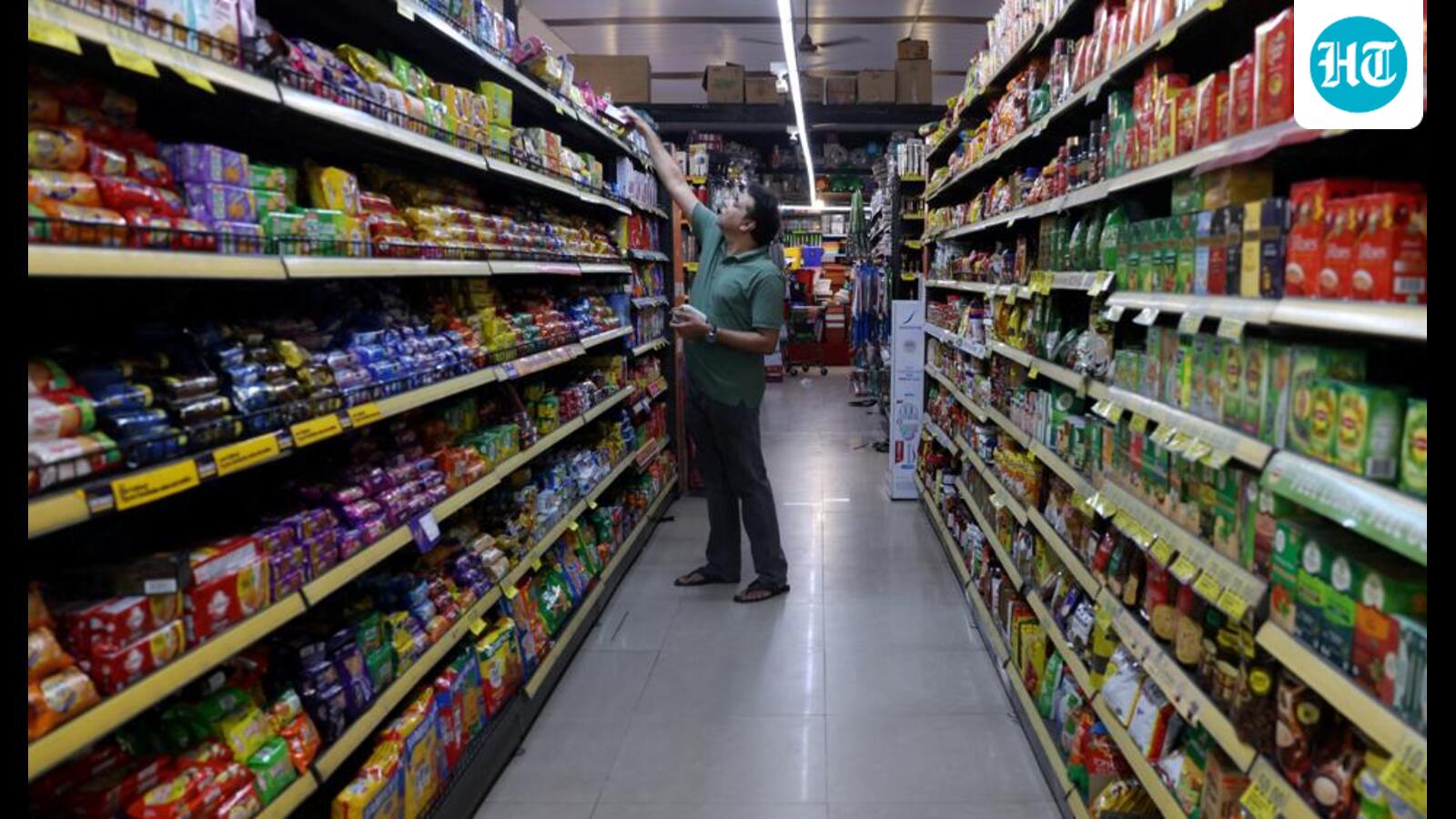
The Supreme Court on Thursday ordered the Food Safety and Standards Authority of India (FSSAI) to require a red hexagon on the front of packaged food high in sugar, saturated fat or salt, one for each nutrient, legible on a shop shelf and a phone screen. The regulator must also rework its nutrient limits and finalise rules for the industry within four months. The bench even fixed the hexagon’s minimum size, at least 4-5% of the front of the pack. Judges should not have had to regulate in such detail, but FSSAI left them little choice: It published its first draft in September 2022, and in September the bench was still questioning a plan to warn only against foods high in two nutrients.
The information these labels will carry has never been secret. Manufacturers have long printed it on the back, in small type, while putting words such as “natural” and “real fruit” on the front. As ultra-processed food has taken a larger share of what people eat (in India, sales rose more than 40-fold between 2006 and 2019, the Economic Survey 2024-25 noted), governments across the world have moved these details to the front. Finland did it for salt in 1993, Chile introduced black octagons in 2016, and Israel, Mexico and Brazil followed. Several European countries use graded food scores. Most target sugar, salt and saturated fat, which manufacturers use generously for taste, texture and shelf life.
Scientists have long established the harm these ingredients do in excess. Diets high in salt raise blood pressure, a major cause of strokes and heart attacks. Too much sugar contributes to obesity and type-2 diabetes, and saturated fat raises the bad cholesterol that builds up in arteries. In India, the prevalence of these diseases is worrying. A 2023 ICMR study found that 11.4% of Indian adults have diabetes and 35.5% hypertension.
Researchers have also gathered growing evidence that people make healthier choices when properly informed. In Chile, whose 2016 law set the precedent for others, researchers found that household purchases of drinks carrying warnings fell by nearly a quarter within 18 months, and companies cut sugar to stay below the cutoffs. Teams in Israel and Mexico have recorded similar shifts. Shoppers rarely study a nutrition table in an aisle; but given a clear signal, they choose differently.
Food companies will understandably want a say on where the thresholds are set, which products are exempt, and whether limits apply per serving. Some will swap sugar and salt for sweeteners and additives, a risk the bench flagged. In this process, the regulator’s role will be key. It needs to balance overreach — if it sets limits so low that nearly every pack needs a warning, shoppers will learn to ignore the hexagon — with the strictness that the problem of ultra-processed foods deserve. Firms may chafe at some directions, and their freedom to make and price what they like deserves protection. The State, too, should be wary of telling adults what to eat. But that freedom cannot come at the cost of public health. The court has banned no product and capped no ingredient; it has asked manufacturers to put on the front of the pack what they already print on the back. Shoppers remain free to buy whatever they like. Now they will also know what they are buying.
Only Hindustan Times has reported this so far. New reports from every outlet are matched against it through the day.
BlindspotNo other outlet has reported this yet.
Coverage breakdown
01
Outlet
01
Report
01
Language
Coverage by language
Outlet reliability
National vs local desks
Full coverage
1 outletHindustan Times · EN
Food warning labels matter
Reliability unrated