Flights suspended or operations ceased: Five airlines hit by Iran war fuel shock
By The IndependentCross-checked on TMR
Story confidence
Single source
40/100
Reported by a single source so far
The story
The global aviation industry is suffering its worst crisis since the COVID-19 pandemic as the US-Israeli war with Iran disrupts operations, drives up fuel prices and intensifies financial pressure on airlines already grappling with tight margins and, in some cases, strained balance sheets.
European jet fuel costs more than doubled in March following supply disruptions linked to the conflict and have remained volatile at elevated levels through the year, hampering airlines.
Fuel typically represents around a fifth of airlines' costs.
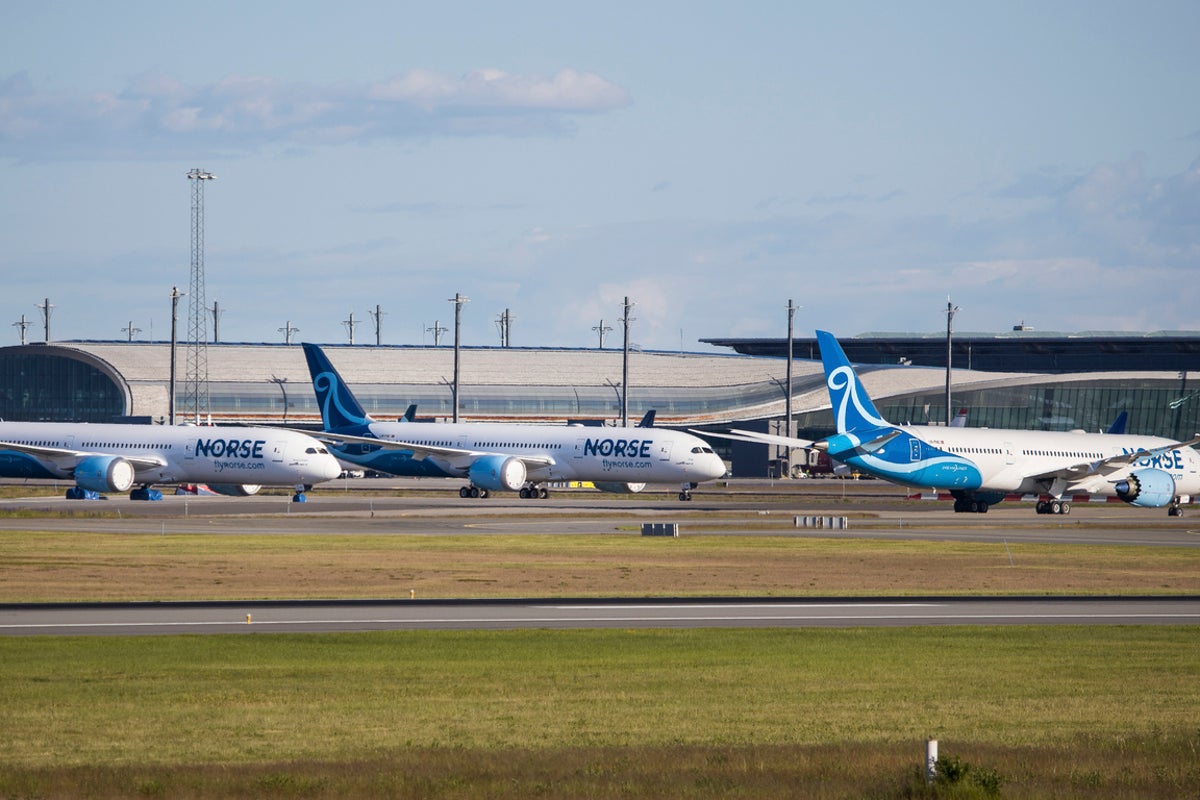
This week, Norwegian airline Norse Atlantic became the latest casualty of the sector-wide turmoil as it suspended flights and warned it would file for bankruptcy if short-term financing is not secured urgently.
Four other carriers have announced insolvency proceedings, restructuring, fundraising or other financial measures since the war began, with higher fuel costs adding to their difficulties.
The U.S. discount carrier ceased operations on May 2 after a proposed government bailout fell through and lenders declined to provide fresh capital.
Spirit was already struggling to turn a profit before the fuel shock. It had reached a deal with its lenders that would have helped it emerge from its second bankruptcy by late spring or early summer. But the spike in jet fuel prices derailed those plans, upending the carrier's cost projections and complicating its bankruptcy exit.
At the time, Spirit CEO Dave Davis said, "Sustaining the business required hundreds of millions of additional dollars of liquidity that Spirit simply does not have and could not procure," adding, "This is tremendously disappointing and not the outcome any of us wanted."
Latvia's national airline airBaltic voluntarily entered Chapter 11 proceedings in the U.S. in September and said it planned to cut 500 to 700 jobs in October, as it sought to restructure its debt after the sharp rise in fuel prices, having started the year without the hedging agreements that would have insulated it from those costs.
Latvia's transport ministry said in November that the government had approved a state guarantee of up to €175 million to attract private financing for the carrier and support it through its restructuring process.
The airline, which flies directly from the UK to Riga (Latvia), Tallinn (Estonia), and Vilnius (Lithuania), said that the move was an important step to “strengthen our financial position and support our broader plan to build a more efficient, stronger airline for the future”.
Spanish low-cost carrier Volotea opened negotiations with creditors to restructure its long-term debt and secure fresh capital in September.
The airline said it was working with Spain's state holding company SEPI, financial institutions and other stakeholders with the aim of reaching an agreement by December.
Volotea said a sharp increase in fuel costs in the wake of the Iran war had added about €150 million in costs since March.
The Spanish long-haul airline said on November 23 it had suspended its Madrid-Caracas route until further notice as part of a financial and operational restructuring plan, grounding its last remaining scheduled service, citing a sharp increase in operating costs, particularly fuel expenses.
It had already suspended its flights to Peru, Argentina and Colombia this year and warned workers of a planned redundancy process as it seeks to cut costs and secure its future.
The Norwegian long-haul budget carrier suspended flights on November 26 and said its board intended to file for bankruptcy if a short-term financing solution was not secured urgently, a day after saying that its financial situation was "critical".
Norse's fuel bill had surged due to the Iran war because it had not hedged its fuel needs, a particular challenge for a low-cost carrier focused on fuel-intensive, long-haul routes.
It sought to limit the hit by operating at reduced capacity, and in July launched a formal process for a potential sale or merger.
The International Transport Workers' Federation, an affiliate-led movement of transport workers' unions across the world, said Norse had told its staff on Wednesday that it had been unable to pay their salaries.
The airline has now returned all its aircraft to bases in Norway, Sweden and Britain, CEO Eivind Roald told Norwegian business daily Finansavisen.
Only The Independent has reported this so far. New reports from every outlet are matched against it through the day.
BlindspotNo other outlet has reported this yet.
Coverage breakdown
01
Outlet
01
Report
01
Language
Coverage by language
Outlet reliability
National, local and international
Full coverage
1 outletThe Independent · EN · GB
Flights suspended or operations ceased: Five airlines hit by Iran war fuel shock
Reliability unrated